The Decoritu approach · Room notes
A home is not a showroom. It is a place that should feel like yours — layered slowly, with things you genuinely like to live with.
A note from the studio
A room is a feeling.
We are drawn to rooms that feel lived in rather than fussed over. A bed that looks slept in. A table with a book left on it. Fabric that creases and softens and remembers the shape of the people who use it.
The pieces we choose are not loud. They are the sort that become part of the background of a life, then quietly turn into the things you would miss. That is the standard we hold every product to.
Chapter one
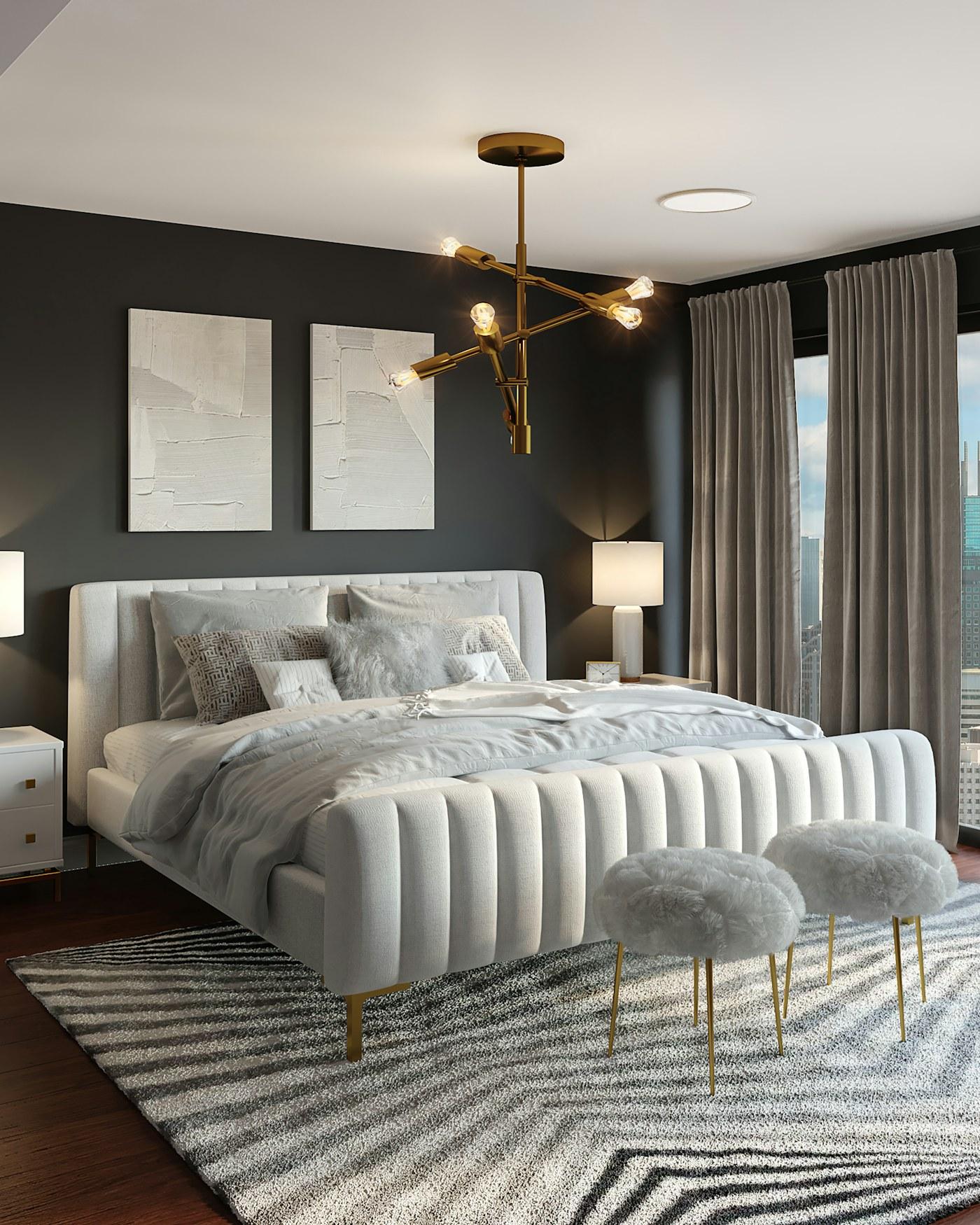
Softness, layered slowly.
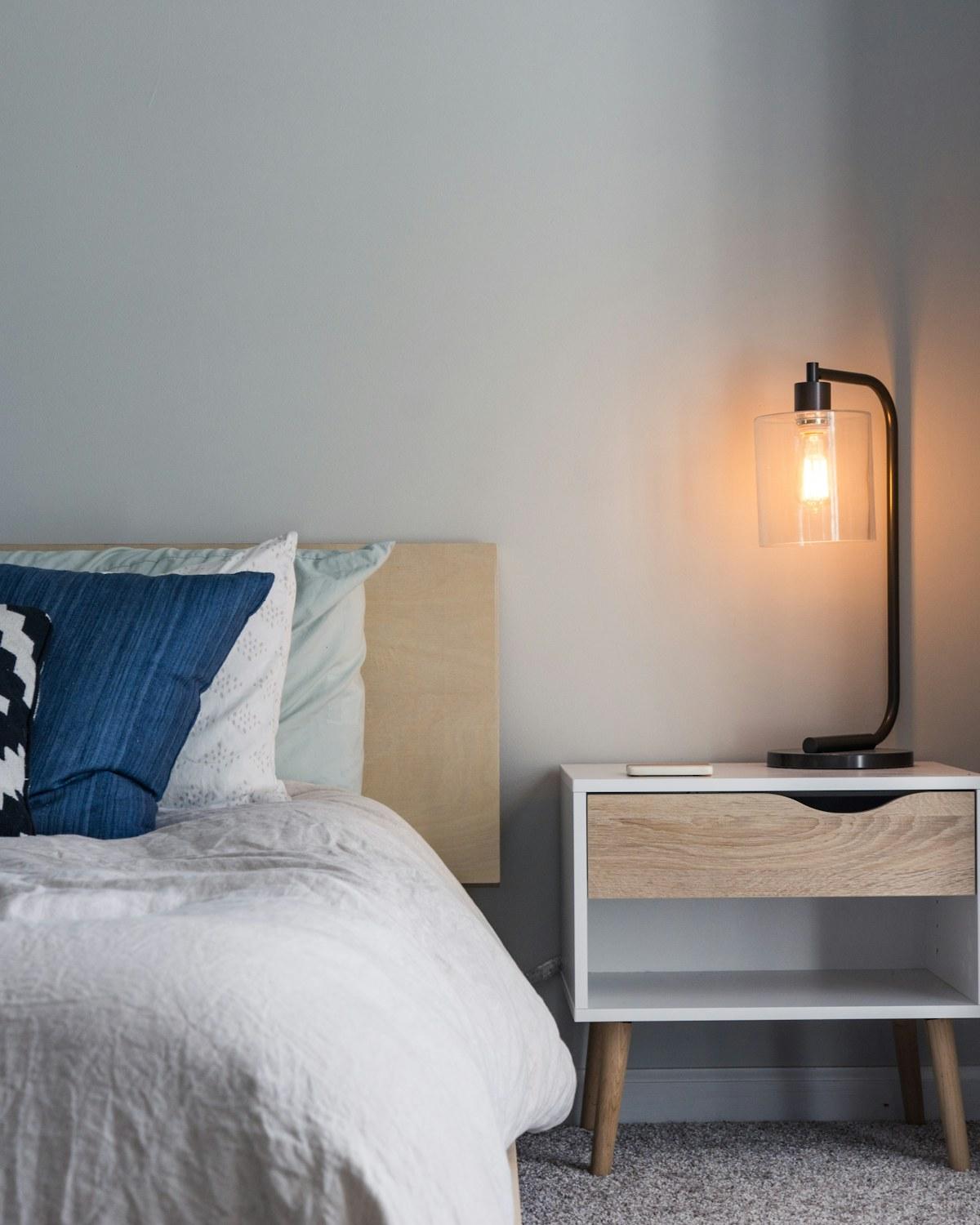
A bedroom does not need much. Good light, a bed dressed in something that feels lovely against the skin, and a surface beside it for the book you are actually reading.
We like to begin with one colour and let texture do the rest: a washed cotton sheet, a linen dohar, a cushion with a little weight. Leave the floor mostly bare. Let the room stay quiet.
Palette
Chapter two
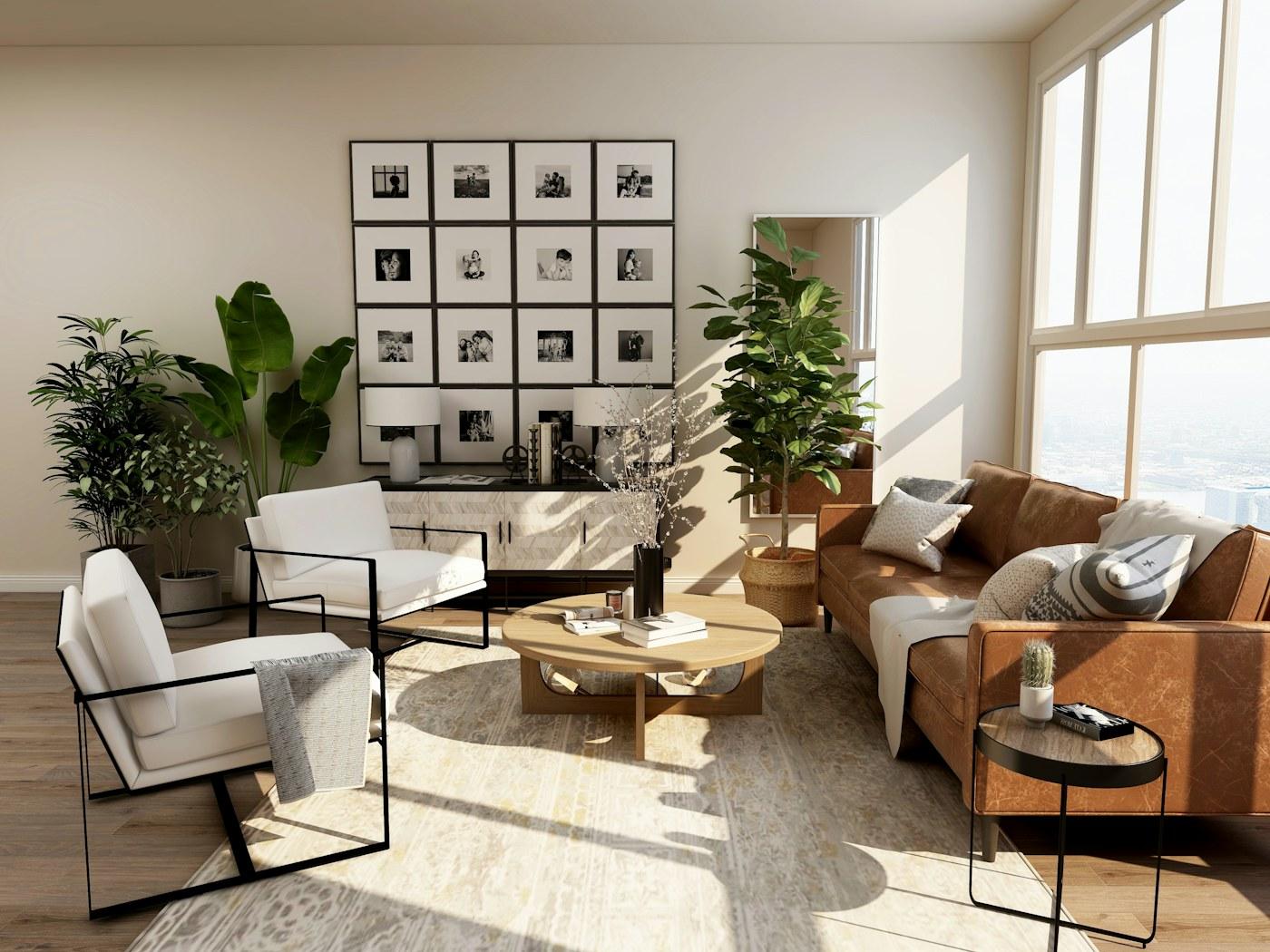
A room that holds people.
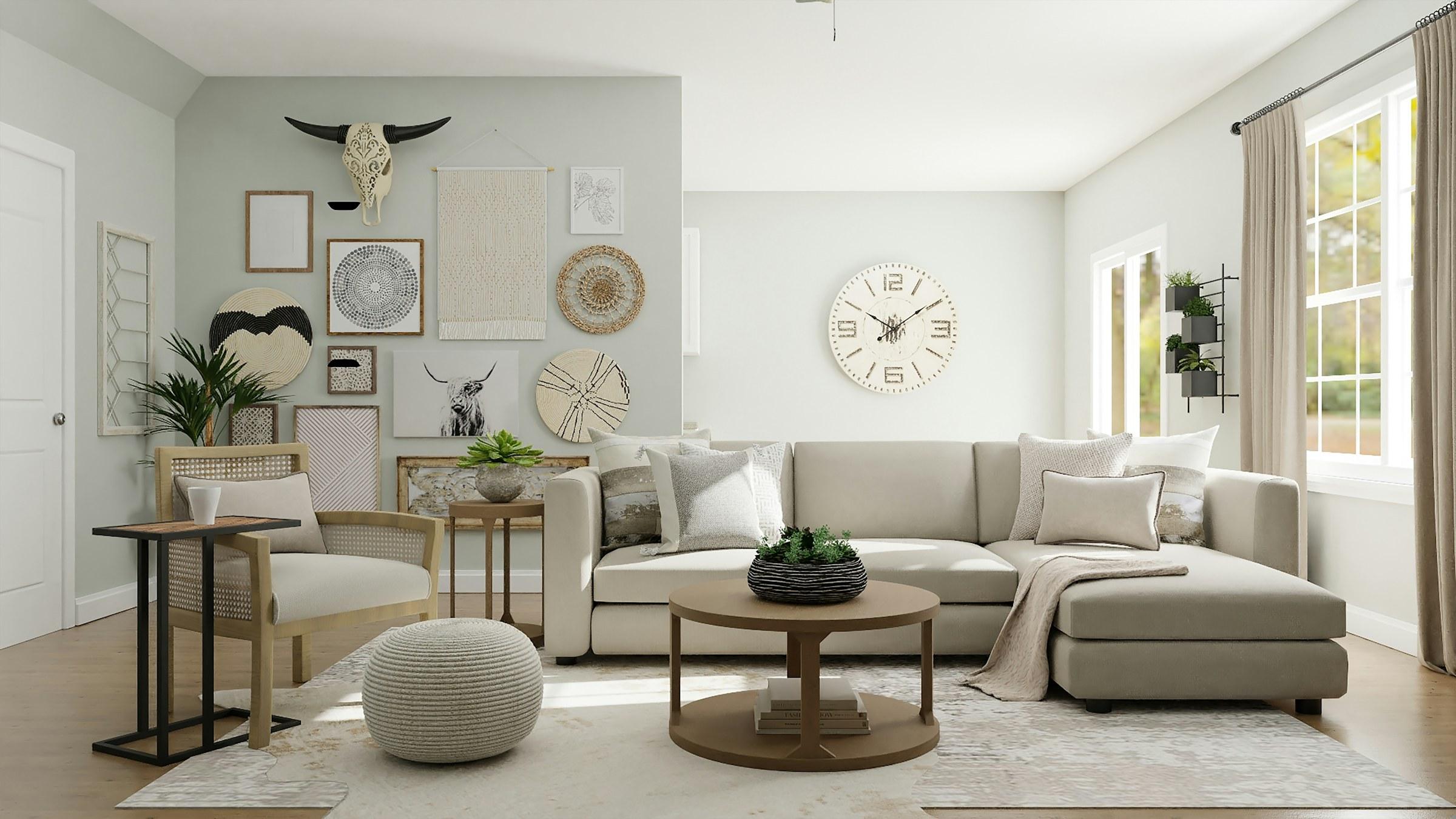
The living room is the room that has to work a little harder. It holds the everyday and the occasion: tea, conversation, a film, a late dinner that runs long.
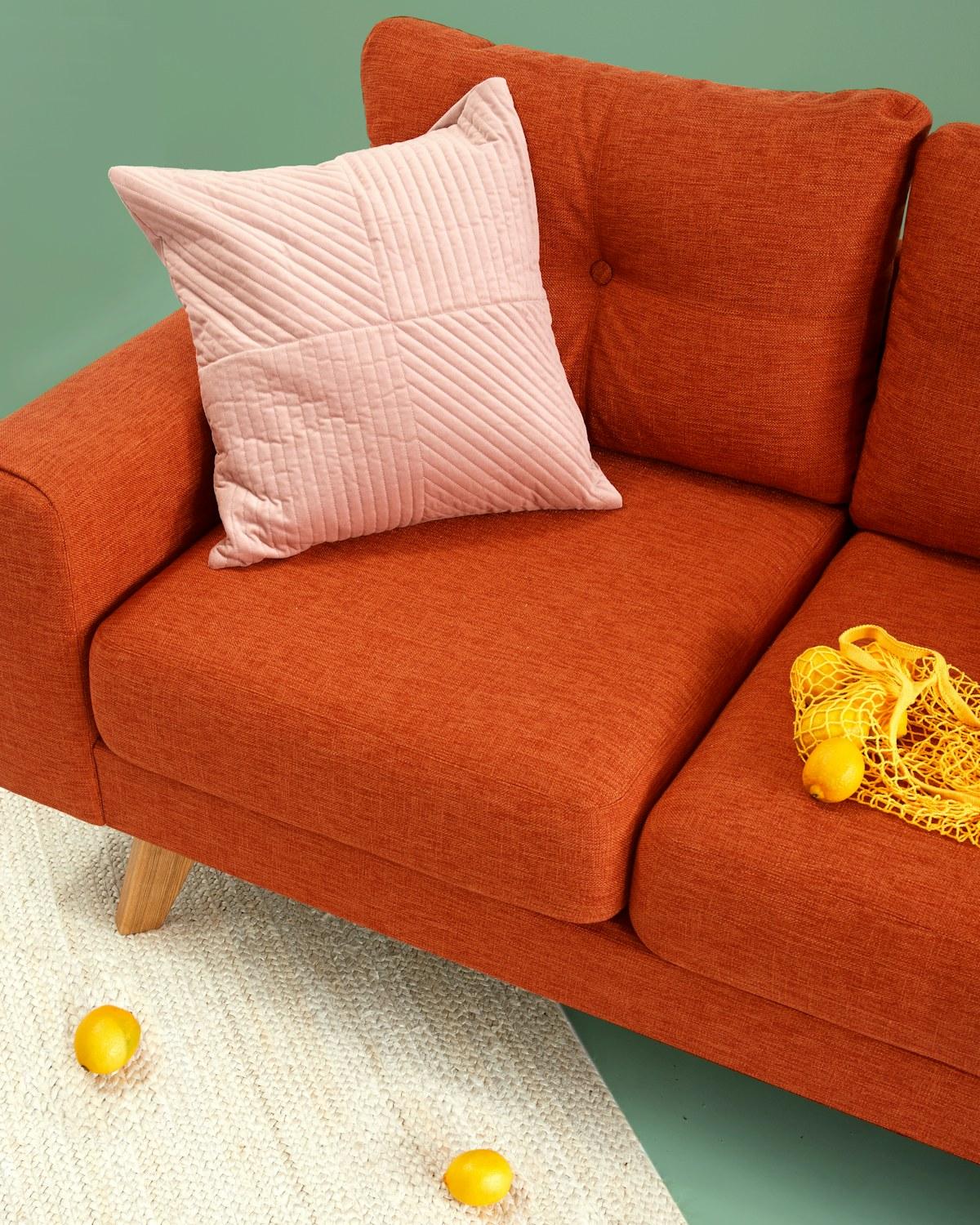
Start with a rug that grounds the seating. Add cushions in a mix of scales rather than a single matched set. A throw left within reach is an invitation. Nothing needs to be precious.
Palette

Chapter three
Everyday occasions.
A dining table is a generous thing. It asks for very little: a cloth that softens the surface, glassware you actually use, and light that falls low and warm.
We prefer table linen in unbleached cotton and stonewashed tones, layered with simple ceramics. Keep the centre uncluttered. The best centrepiece is usually the people.
Palette
Four quiet rules
Begin with light
Notice where the morning and evening light falls. Arrange the room around it before choosing a single colour.
Choose fewer, better
One beautiful object will do more than five ordinary ones. Leave space for each piece to be seen.
Let texture lead
When the palette is quiet, texture carries the room. Mix matte and sheen, coarse and fine, soft and firm.
Live with it first
Buy the essentials, then wait. Rooms become interesting when they are allowed to accumulate slowly.
Made to be lived with
You do not need to furnish a whole room at once. Start with the piece you will touch every day — the sheet you sleep on, the rug under your feet, the curtain that softens the morning light.